Introduction: Why Python for Data Science?
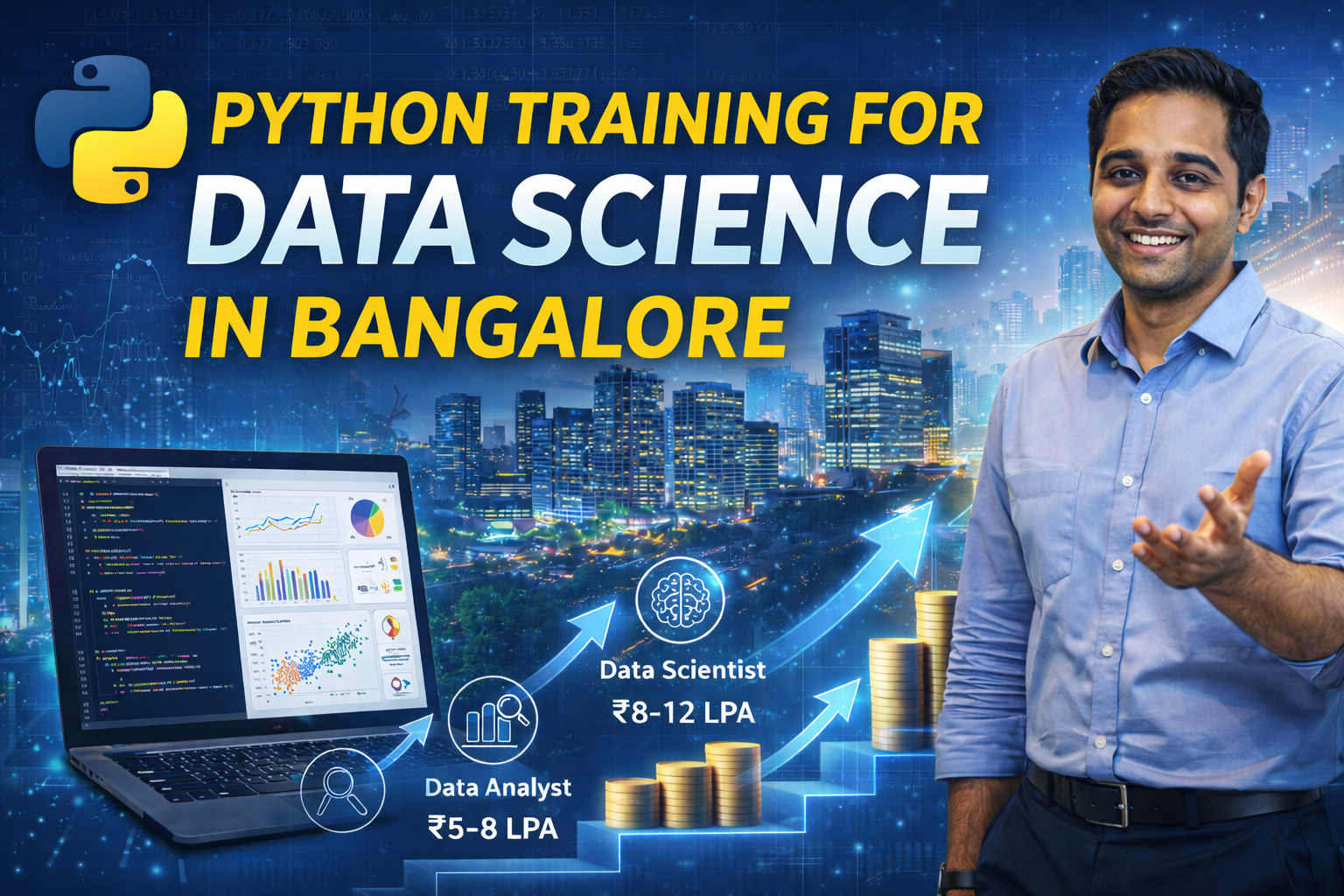
In today’s data-driven world, Python for Data Science has become the most in-demand skill across industries. From analyzing business trends to building AI models, Python empowers data professionals to work efficiently with large datasets and extract valuable insights.
Python is easy to learn, powerful, and backed by a massive ecosystem of libraries specifically designed for data analysis, machine learning, and visualization. Whether you’re a student, working professional, or career switcher, mastering Python can open doors to high-paying data science roles.
What is Data Science?
Data Science is the process of collecting, cleaning, analyzing, and interpreting data to make informed decisions. It combines:
- Statistics
- Programming
- Machine Learning
- Data Visualization
- Business Intelligence
Python plays a central role in all these areas.
Why Python is Best for Data Science?
Here’s why Python dominates the data science world:
1. Easy to Learn
Python’s simple syntax makes it beginner-friendly compared to R, Java, or C++.
2. Powerful Libraries
Python offers specialized libraries for every data task:
- NumPy – Numerical computing
- Pandas – Data manipulation
- Matplotlib & Seaborn – Data visualization
- Scikit-learn – Machine learning
- TensorFlow & PyTorch – Deep learning
3. Industry Demand
Companies like Google, Amazon, Netflix, and Microsoft use Python for data science and AI projects.
4. Strong Community
Thousands of tutorials, forums, and open-source projects make learning easier.
Python for Data Science Roadmap
Step 1: Learn Python Basics
Start with:
- Variables & Data Types
- Loops & Conditions
- Functions
- Lists, Tuples, Dictionaries
Step 2: Learn Data Libraries
| Library | Purpose |
|---|---|
| NumPy | Mathematical operations |
| Pandas | Data cleaning & analysis |
| Matplotlib | Charts & graphs |
| Seaborn | Advanced visualization |
Step 3: Learn Statistics
Understand:
- Mean, Median, Mode
- Probability
- Correlation
- Hypothesis Testing
Step 4: Machine Learning with Python
Learn:
- Linear Regression
- Decision Trees
- Random Forest
- K-Means Clustering
- Model Evaluation
Step 5: Real-World Projects
Work on:
- Sales Analysis
- Stock Price Prediction
- Customer Segmentation
- Fraud Detection

Key Python Libraries for Data Science
NumPy
Used for fast numerical calculations and matrix operations.
Pandas
Essential for handling Excel, CSV, and structured data.
Matplotlib
Creates simple and clear visualizations.
Seaborn
Builds advanced and beautiful charts.
Scikit-learn
Best for machine learning algorithms.
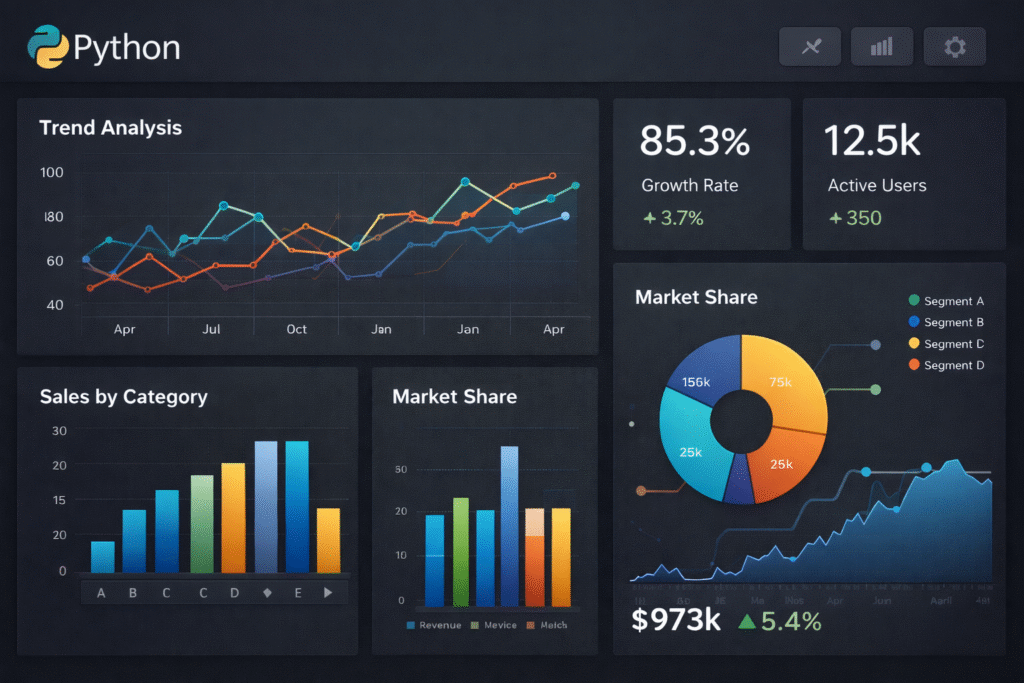
Python for Data Analysis
Python makes data analysis simple:
- Clean messy datasets
- Handle missing values
- Analyze trends
- Visualize insights
- Generate reports
With Pandas and NumPy, you can process millions of records efficiently.
Python for Machine Learning
Python is the backbone of machine learning. You can build:
- Recommendation systems
- Spam filters
- Face recognition
- Chatbots
- Predictive models
Scikit-learn and TensorFlow make it possible to train models quickly and accurately.
Career Scope of Python for Data Science
Popular Job Roles
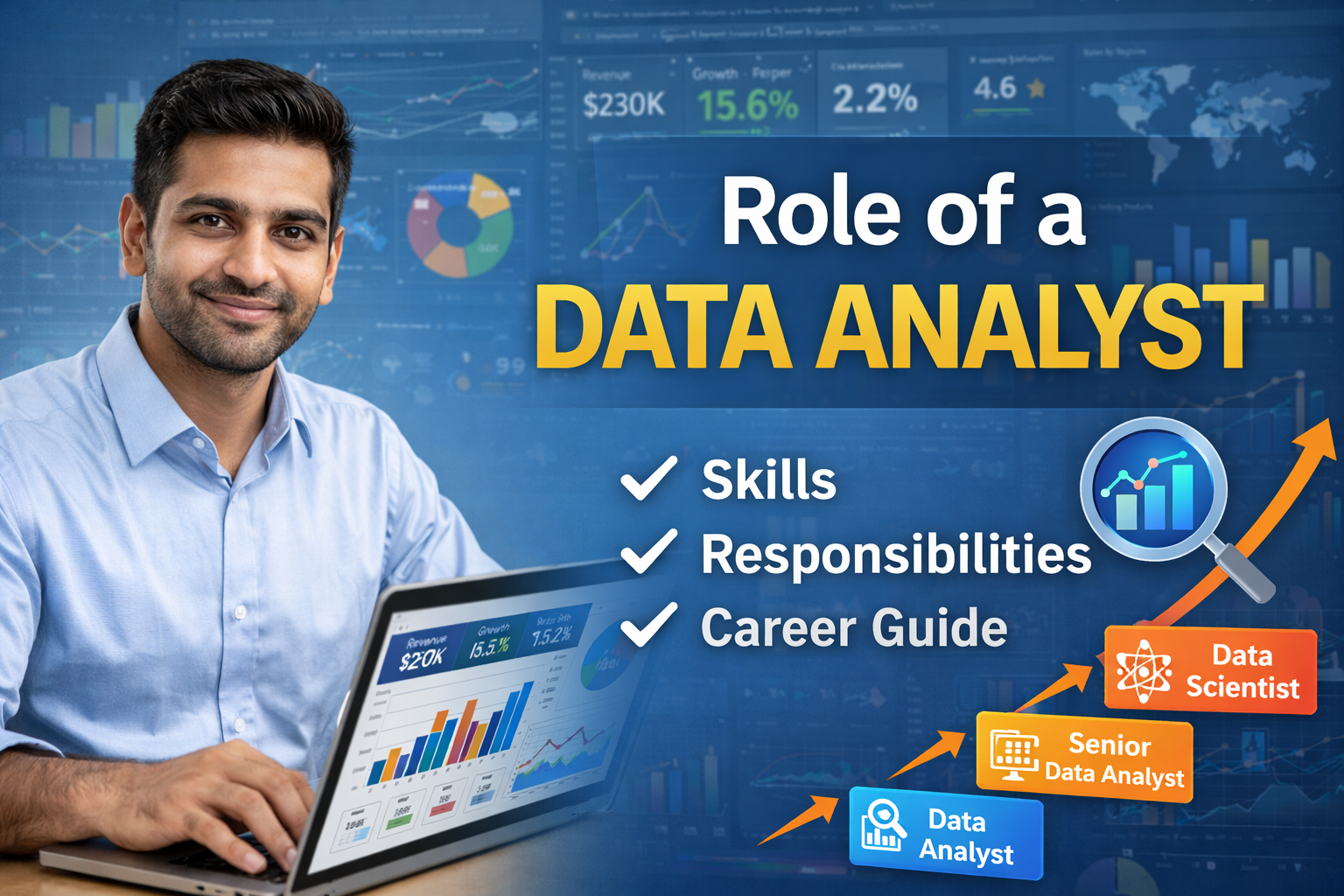
- Data Analyst
- Data Scientist
- Machine Learning Engineer
- AI Engineer
- Business Analyst
Average Salary (India)
| Role | Salary Range |
|---|---|
| Data Analyst | ₹6–10 LPA |
| Data Scientist | ₹10–20 LPA |
| ML Engineer | ₹12–25 LPA |
Python skills significantly increase your earning potential.
Python for Data Science Course – Who Should Learn?
This skill is perfect for:
- Students
- Working professionals
- Engineers
- MBA graduates
- Career switchers
- Freshers
No prior coding experience is required.
Real-World Applications of Python in Data Science
Python is used in:
- Healthcare (Disease prediction)
- Finance (Risk analysis)
- E-commerce (Customer behavior)
- Marketing (Campaign analytics)
- Banking (Fraud detection)
- Sports (Performance analytics)
How Long Does It Take to Learn Python for Data Science?
| Level | Time |
|---|---|
| Basics | 2–4 weeks |
| Data Analysis | 1–2 months |
| ML & Projects | 3–6 months |
With consistent practice, you can become job-ready in 6 months.
Tips to Master Python for Data Science
✔ Practice daily
✔ Work on real projects
✔ Learn statistics
✔ Build a portfolio
✔ Use GitHub
✔ Join data communities
Conclusion
Python for Data Science is not just a skill — it’s a career booster. With its powerful libraries, real-world applications, and massive job demand, Python remains the #1 choice for aspiring data professionals.
Whether you want to analyze data, build AI models, or switch careers, Python is your gateway to success in the data world.
Start learning today and future-proof your career.