
Role of a Data Analyst: Skills, Responsibilities & Career Guide
In today’s data-driven world, businesses no longer rely on guesswork. They rely on data. And the professional who turns raw data into meaningful insights is called a Data Analyst.
The role of a data analyst has become one of the most important positions across industries like IT, finance, healthcare, e-commerce, marketing, and more. From improving business performance to predicting future trends, data analysts play a critical role in decision-making.
In this guide, we’ll explore what a data analyst does, their responsibilities, skills, tools, and career scope in a simple, practical, and human way.
What Is the Role of a Data Analyst?
The role of a data analyst is to collect, clean, analyze, and interpret data to help organizations make better business decisions.
A data analyst converts complex numbers into clear insights that managers, stakeholders, and teams can understand and use.
In simple words:
Data Analyst = Data + Analysis + Business Solutions
Key Responsibilities of a Data Analyst
The daily responsibilities of a data analyst may vary by company, but the core tasks remain similar.
1. Data Collection
Data analysts gather data from multiple sources such as:
- Databases
- Websites
- CRM systems
- Surveys
- APIs
2. Data Cleaning
Raw data often contains errors, duplicates, and missing values.
Cleaning the data ensures accuracy and reliability.
3. Data Analysis
Using tools like Excel, SQL, Python, or Power BI, analysts:
- Identify patterns
- Find trends
- Compare performance
- Measure KPIs
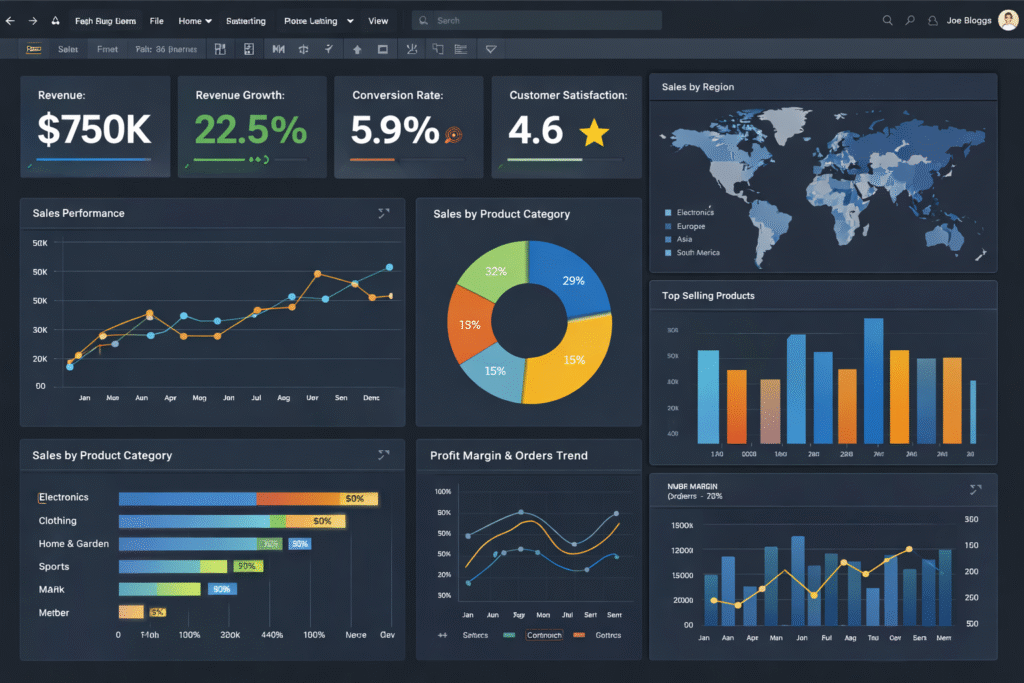
4. Data Visualization
Data is presented through:
- Charts
- Dashboards
- Graphs
- Reports
This helps non-technical teams understand insights easily.
5. Business Insights
The most important role of a data analyst is to translate data into action — helping businesses grow, reduce costs, and improve performance.

What Does a Data Analyst Do Daily?
A typical day in the life of a data analyst includes:
- Checking data accuracy
- Writing SQL queries
- Creating Excel reports
- Analyzing trends
- Building dashboards
- Presenting insights to managers
The role of a data analyst is both technical and strategic.
Essential Skills for a Data Analyst
To succeed in the data analytics field, you need a mix of technical and soft skills.
Technical Skills
- Excel / Google Sheets
- SQL
- Python / R
- Power BI / Tableau
- Statistics
- Data Visualization
Soft Skills
- Problem-solving
- Communication
- Business understanding
- Critical thinking
- Attention to detail
A strong data analyst can explain complex insights in simple language.
Tools Used by Data Analysts
Modern data analysts use powerful tools to work efficiently:
| Category | Tools |
|---|---|
| Data Analysis | Excel, Python, R |
| Databases | SQL, MySQL |
| Visualization | Power BI, Tableau |
| Big Data | Spark |
| Cloud | AWS, Google Cloud |
Data Analysis Process Explained
The data analysis process follows these steps:
- Define the problem
- Collect data
- Clean data
- Analyze data
- Visualize results
- Make decisions
This structured approach makes the role of a data analyst systematic and impactful.
Industries That Hire Data Analysts
Data analysts are needed everywhere:
- IT & Software
- Finance & Banking
- Healthcare
- Marketing
- E-commerce
- Education
- Government
- Manufacturing
Any business that uses data needs a data analyst.
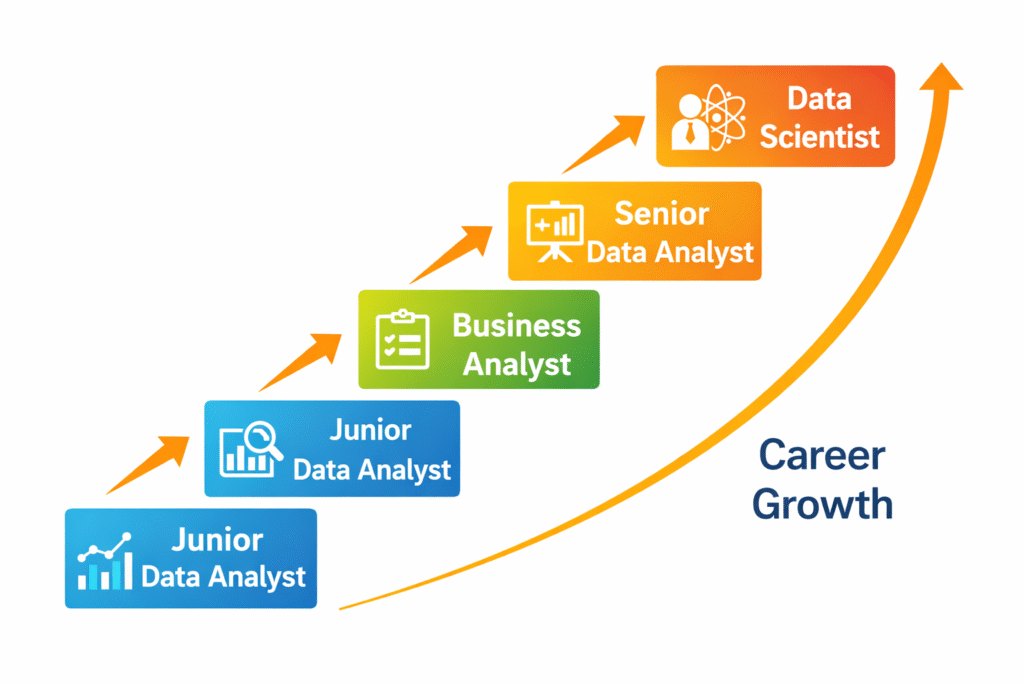
Career Growth in Data Analytics
The career path in data analytics looks like this:
- Junior Data Analyst
- Data Analyst
- Senior Data Analyst
- Business Analyst
- Data Scientist
- Analytics Manager
With experience, the role of a data analyst can lead to high-paying leadership positions.
Salary of a Data Analyst (India – 2026)
| Experience | Salary Range |
|---|---|
| Fresher | ₹4–6 LPA |
| 2–4 Years | ₹7–12 LPA |
| 5+ Years | ₹15+ LPA |
The demand for data analysts is increasing every year.
Why Choose a Career as a Data Analyst?
Because:
✔ High demand
✔ Good salary
✔ Work with real data
✔ Career growth
✔ Global opportunities
✔ Skill-based profession
The role of a data analyst is future-proof.
Final Thoughts
The role of a data analyst is more than just working with numbers. It’s about solving real-world problems using data, helping businesses grow, and making smarter decisions.
If you enjoy working with data, technology, and problem-solving, data analytics is one of the best career choices in 2026 and beyond.